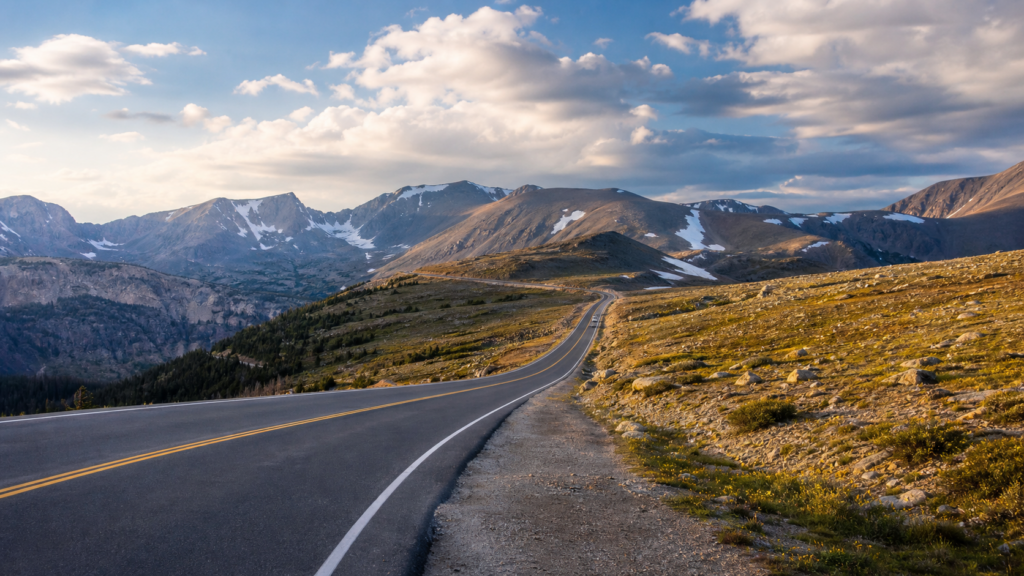
Rocky Mountain National Park RV Trip Planner: Campgrounds, Trail Ridge Road, Timed Entry, and RV-Safe Routes
While not a park I would take the motorhome to lightly or while towing, Rocky Mountain is one that provides some of the best high country scenery in the Lower 48. On the map, the distances seem close. The grades, the weather, the parking pressure, the timed entry rules and campground limits is where the real planning begins!
This Rocky Mountain National Park RV trip planner is designed the way RVs travel: with a rig to measure, tanks to fill or empty, arrival times to adhere to, mountainside weather to consider, and a keen desire for a low-stress day over the white knuckles of sightseeing. Yes, RMNP is definitely achievable by RV, although the best trips typically result from a conservative basecamp strategy, an early start and an attitude of using a tow vehicle, shuttle, or park and ride plan when the road becomes tight.
If you haven’t decided on your overall routing strategy, use RoadReviewer’s RV-safe route planning checklist and test your entire set-up before selecting the route into the park. I think we fit is not a plan in the Rockies.
Why Rocky Mountain National Park Needs RV-Specific Planning
Rocky Mountain National Park isn’t simply another picturesque road complete with a handful of campgrounds. A high elevation park, in which travel choice builds upon travel choice.
The east side of Estes Park is quick access to all of the following: Beaver Meadows, Fall River, Moraine Park, Glacier Basin, and the Bear Lake Road corridor. It’s also the most active side of the park particularly during the summer and early fall. The west side around Grand Lake and the Kawuneeche Valley is quieter, roomier in feel, and better for travelers that want a slower pace, but it puts them further away from the classic Bear Lake trailheads.
Top pressure points for RVs are:
- Site length and site dimensions of the campground vs the length of your rig and combination.
- Limited service camping in the park is available, most of the camp sites are not hooked up, Moraine Park has a limited number of electric sites available and water/sewer hookups are not provided at individual sites.
- Timed entry rules apply the same as to cars as well as RVs.
- Limited and stressful Bear Lake Road RV parking during certain times of day.
- Trail Ridge Road weather, exposure, altitude, switchbacks and long descents.
- Sudden fluctuations in temperature, and seasonally closed roads due to afternoon thunderstorms.
In other words, RV camping Rocky Mountain National Park is not about one ideal location, it’s about creating a plan with options.
Quick Answer: Can You Visit Rocky Mountain National Park in an RV?
Yes, you can use an RV to visit Rocky Mountain National Park, but the best way is to camp in or close to the park and then take a smaller vehicle or shuttle to the most congested and narrow areas.
If you’re wondering, "can you drive an RV on Trail Ridge Road?," the answer is many can, but it depends on your rig, your comfort level on grades, road conditions and weather. I don’t really recommend taking the Trail Ridge Road RV trip as something you do on a sunny Sunday afternoon. Cruises across bald alpine land, rises above treeline and may seem very different as a result of windy conditions, fog, rain or heavy traffic.
For 99% of travelers, the adequate calculation is straightforward:
- Select a basecamp suitable to your rig.
- When available, use a tow vehicle, toad, campervan or shuttle for Bear Lake Road.
- Only use Trail Ridge Road when weather and circumstances are stable and you feel comfortable driving on high-altitude roads.
- Before moving the rig, check with NPS alerts.
That way, the journey is still fun, but not a test of endurance.
Rocky Mountain National Park RV Campgrounds
Rocky Mountain National Park campgrounds RV travelers like to include in their considerations are Moraine Park, Glacier Basin, Aspenglen and Timber Creek. These are not resort style RV Parks. As with a national park, inside the park you should be prepared for national park camping: great sites, limited services, seasonal operation, and site-specific restrictions that do apply. The majority of in park campsites are non-electric, unless you are at Moraine Park, where a few electric sites exist. Water or sewer facilities are not available at each campsite.
Before making a reservation, check out the latest campground site length, season, availability, generator hours, dump station access, potable water, and closures on the NPS and Recreation.gov documents. The operational modes of RMNP vary with the seasons, maintenance cycles, weather and resources.
Moraine Park Campground RV Length
Moraine Park is one of the best east side RV locations for many travelers as it is close to the Beaver Meadows entrance to the park and the Estes Park side of the park. It provides access to Moraine Park views, Bear Lake Road links and the bulk of the traffic on the east side.
Length limit for the Moraine Park Campground RVs must be determined at the individual campground. Recreation.gov indicates Moraine Park will allow RVs or trailer/tow vehicle combos up to 40 feet long, but not every site will fit every rig. Moraine Park also provides 49 electric sites, 20, 30 or 50 amp; however, most of the sites are not electric and no sites have individual water or sewer hookups. A maximum length number is just one of the numbers used in a mountain campground. Other factors include site slope and driveway angle, trees, backing room and parking for tow vehicle.
For: RVs that prefer to have a national park base on the east side and will adapt to limited-service camping—site-specific electric but no water or sewer connections.
Watch-outs: Reservations are competitive, vehicles exceeding 40 feet are not allowed in the campground, and you should check to see what services are available in the campground following recent construction.
Glacier Basin Campground RV Planning
The Glacier Basin Campground RV sites are very popular as it is great for Bear Lake Road strategy. For those wishing to hike from Bear Lake, Glacier Gorge, and other trailheads, Glacier Basin can minimize the amount of driving done in the park.
That being said, don’t assume that just because an RV is closer you should use it for every outing. When lots at trailheads are full early in the day, a shuttle planning or park-and-ride strategy can help to calm the day. Glacier Basin is best thought of as a basecamp and not a promise of easy RV parking at all locations.
Ideal for: hike in from the east side, or for anyone wishing to minimize driving from camp to the Bear Lake Road corridor.
Watch-outs: Recreation.gov provides information on a 35-foot vehicle length limit, no hookups, a dump station, no shower/laundry, but always confirm operating dates, generator restrictions, and shuttle information.
Aspenglen Campground
Aspenglen is located close to the Fall River entrance which might be helpful for those that are looking for a smaller-feeling east side base than the more bustling Beaver Meadows base. Still very convenient to Estes Park services for groceries, fuel, laundry, repairs and private back-up at the RV park.
Due to its more compact size, Aspenglen is a better option for smaller RVs, vans, truck campers and compact trailer setups. If you’re towing a long travel trailer or driving a big Class A, be sure to check out each site thoroughly before taking it into consideration.
Recommended for: Smaller rigs wishing east side access close to Fall River.
Watch-outs: Recreation.gov indicates that the max length for vehicles and trailers is 30 feet, that there are no hookups at Aspenglen, and no dump station listed at Aspenglen (with the closest one listed at Moraine Park).
Timber Creek Campground RV Strategy
Timber Creek Campground RV camping is located on the west side of the park and is close to Grand Lake and the Kawuneeche Valley. This is the side I would take if you’re interested in a less crowded campground experience, the Colorado River headwaters area, wildlife watching, and quiet mornings on your ideal RMNP trip.
The compromise is it’s away from the east side icons. Trailhead access is to the east side of the Park, with Timber Creek extending the length of the outings to Bear Lake, Glacier Gorge and the classic trailheads.
Ideal for: Grand Lake RV camping, west side exploring and slower-paced trips.
Watch-outs: Recreation.gov advises a 30’TVL and no hookups for the site. It’s not the most convenient base for Bear Lake Road days, and plans to cross the park can be complicated by Trail Ridge Road closures or weather.
Private Estes Park and Grand Lake RV Parks
For many travellers, the answer may be one of the private RV parks outside the park. Estes Park RV camping offers east side convenience, better access to restaurants and services, and possibly even hookups. Grand Lake RV camping offers a more secluded west side experience with access to town, lake activities and Kawuneeche Valley.
If you are looking for full-hookup facilities, a dump station, laundry, better cell phone reception, or larger space to accommodate your large rig, a private campground may be the best RV campground Rocky Mountain National Park visitors decide to use. There is nothing like being right in the middle of a park to camp. Out-of-the-park RV parks sometimes prevail on comfort and logistics.
Trail Ridge Road RV Planning
Trail Ridge Road is one of the great drives of America, but so too does Trail Ridge Road RV planning. It’s not a flat scenic by-way with wide shoulders and predictable weather. It is a long, high elevation alpine road with long inclines, exposure, switchbacks, traffic, and weather that can shift in an instant, and pullouts that may or may not accommodate your rig.
No simple trail ridge road RV restrictions make the decision for every traveller. A more pertinent question is whether your particular rig, braking system, driving skill and weather window is suitable for the crossing.
Before committing, check:
- Up-to-date NPS warnings and Trail Ridge Road conditions.
- Forecasts for wind, thunderstorm, fog and temperatures in the alpine region rather than for Estes Park or Grand Lake.
- Your Engine Brake and Downhill Control plan.
- The comfort level of your passengers towards exposure.
- If you will be able to get enough fuel and have sufficient time to not be rushed.
Don’t push if you’re feeling nervous. Start at one base and explore from there or go across with a smaller vehicle. The mountain will still be there tomorrow, and so will be your brakes and nerves – they need not prove anything today.
Old Fall River Road Caution
The subject of Old Fall River Road is a different story. It should be regarded as a strong caution area and rules checked before being considered by RVs. Narrow, unpaved, seasonal, one-way uphill when open, and vehicles over 25 feet and vehicles with towing devices or trailers are prohibited by official NPS guidance. When planning an RV trip, assume that Trail Ridge Road is the major cross-park route and use Old Fall River Road only if appropriate for smaller vehicles and conditions and where advised to do so.
Timed Entry, Bear Lake Road, and Parking Strategy
Timed entry at Rocky Mountain National Park is by vehicle, so it is important to plan entry time. An RV does not receive a pass as a lodging, but under NPS rules, an overnight campground reservation could count as timed entry to a campground plan for an RV.
RMNP has two timed entry options for 2026. The current NPS guidance indicates that from 9 a.m. to 2 p.m. every day from Friday, May 22 to Monday, Oct. 12, 2026, Timed Entry reservations are required in most areas of the park. Timed Entry + Bear Lake Road reservations will be required on the Bear Lake Road Corridor Friday, May 22 – Sunday, October 18, 2026 between 5 a.m. and 6 p.m. each day. Both offer specific two hour entry periods and the Bear Lake option also offers access to the rest of the park. When traveling, always check dates and hours on the actual NPS time of day, it’s the kind of thing that can change.
NPS also reports that for those who stay at Moraine Park, Glacier Basin, Aspenglen or Timber Creek, timed entry is provided starting at 1 pm on the first day of the camping reservation for overnight stays. Campgrounds are important: Moraine Park, Glacier Basin, and Aspenglen reservations provide for access to Bear Lake Road Corridor, while Timber Creek reservations provide access for most of the park (excluding Bear Lake Road). If you wish to get in before campground check-in times or use an area outside of the campground reservation, please plan for that area’s separate timed entry.
One aspect of visiting Bear Lake that many first timers overlook is parking for RVs. Bear Lake Road is paved and is a beautiful road, but the corridor is crowded, parking at the trailheads fills up early, and it is not much fun to maneuver a large RV in a crowded lot, especially when driving. Just because your rig is technically legal doesn’t mean your vehicle is the smartest one for the day.
A calmer plan is:
- If arriving during RMNP reservation hours, have the proper RMNP timed entry permit or know what is included in your in-park reservation.
- Begin too soon.
- Take advantage of and use park shuttle system where applicable.
- Don’t compromise, use park and ride as your friend.
- Avoid using the RV at camp if there is a smaller vehicle available.
Rather than show up late and doing the full lap in a tall rig, I would prefer to be early and a little over-prepared for a Bear Lake hike.
Best RV Basecamp Strategy by Entrance
The optimal route for RVs to Rocky Mountain National Park depends on which side of the park you wish to emphasize, as well as how much you want to enjoy mountain driving with the rig.
Estes Park / Beaver Meadows Entrance
If you are a first-time visitor to RMNP and have Bear Lake, Moraine Park, Glacier Gorge, Sprague Lake and classic east side views all in your top ten list, pick Estes Park or Beaver Meadows. This is the most convenient side and has the best service base in the area.
The bad thing is that there are crowds. Plan for early mornings, timed entry windows, shuttle use and realistic parking expectations.
Fall River Entrance
If you are staying near Aspenglen or north Estes Park and wish to have access to the east side without always going to Beaver Meadows, the Fall River entrance can be great. It remains within the bustling east-side world, but may be a helpful strategy depending on your campground and daily itinerary.
Grand Lake / Kawuneeche Valley
For those who prefer a more leisurely west-side vacation, wildlife viewing, time spent at the lake, and a more relaxed pace, Grand Lake is a better option. Also a good choice if traveling in from western Colorado or in conjunction with a longer mountain route and RMNP.
The downside is that the outing is larger: Bear Lake Road. However, for days when Trail Ridge Road is closed or the weather conditions are unfavorable, you might not want to venture into the park that day.
Split East/West Base Strategy
If you are going on a 5- to 7-day vacation, perhaps a split vacation is the most wise choice. Stay for a few nights in Estes Park for hikes to Bear Lake and to the east side of the range and then head to Grand Lake for the Kawuneeche Valley and west side of the range. This will cut down on repeated cross park driving and provide you with two different versions of RMNP.
This is the same logic I suggest in other extensive big mountain parks – location is key to stress reduction. The same can be seen in our Yellowstone RV trip planner and Yosemite RV trip planner: A good basecamp is often more important than the shortest line on a map.
Practical 3-Day RMNP RV Itinerary
Day 1: Arrive, Settle, and Scout the East Side
Come in early—particularly if you are backing into a national park site. Establish camp, verify hours on generators, identify potable water and dump station alternatives (where applicable), and avoid a major hike on arrival day.
Remaining east, drive in a smaller vehicle, or take a low stress drive to Moraine Park or other points of view. For those who want to stay west, check out Kawuneeche Valley and Grand Lake. Make the first evening simple. Everyone reacts to altitude differently, and in any case, RV setup always takes longer when everyone is tired.
Day 2: Bear Lake Road Corridor
Take advantage of your Bear Lake Road timed entry plan, shuttle strategy and early start. Whether this is Bear Lake, Glacier Gorge, Sprague Lake or a short hike to suit a group, this is the day.
Avoid bringing the RV into the corridor unless you are sure that all of this is working for you for current parking and road conditions. Typically a tow vehicle or shuttle will be the more peaceful option.
Day 3: Trail Ridge Road & West Side Exploration
When the weather is right and you feel up to it, then Trail Ridge Road should be your big scenic day. Go early, use lower gears on the downhill, stop only where a rig fits, and allow yourself the freedom to turn around if conditions get worse.
When Trail Ridge Road weather appears to be marginal, proceed lower. Try out Estes Park, Fall River area, Moraine Park, Grand Lake or Kawuneeche Valley instead. in a good RV itinerary, there is a weather back-up plan.
5- to 7-Day RMNP RV Route
Slow down and make better decisions in 5-7 days.
Day 1: Check in at your basecamp on the eastside, near Estes Park, Beaver Meadows, Fall River, Moraine Park or Glacier Basin.
Day 2: Bear Lake Road timed entry and shuttle planning.
Day 3: Visit meadows on the east side, pullouts, visitor centers, lower elevation trails.
Day 4: If the weather, road conditions and driver agree, then drive along Trail Ridge Road. Move to Grand Lake (when using a split base).
Day 5: Visit Kawuneeche Valley, Grand Lake and west side wildlife areas.
Day 6: Include a flexible day for hiking, resting, laundry or weather buffer. This can be the day to avoid the trip when storms or road closures interfere with the original trip plan.
Day 7: Leave in haste. If you’re not breaking camp in a panic, you’re less likely to have troubles when mounting up on the mountain.
For those who love road planning with an RV in mind, check out RMNP compared to our Going-to-the-Sun Road RV trip planner and Blue Ridge Parkway RV trip planner. The roads are different, but the rule remains the same: know your rig before you commit to the grade, curve and parking situation.
A few common errors made when planning an RMNP trip:
The most common error is to use RMNP as a drive-through park. It’s small on paper and big in an RV!
Common mistakes:
- Booking a campsite based on the length of headline and not the site specific data.
- Hookups are available at in-park campgrounds, assumed.
- Not understanding timed entry applies to RVs and other vehicles throughout reservation timeframes.
- Driving to Bear Lake Road trailheads too late in the morning.
- Under bad weather conditions, taking Trail Ridge Road just because it was "on the itinerary."
- Altitude sickness, particularly for children, older persons and those coming from low altitudes.
- Not realizing that afternoon thunderstorms can make the safest plan a hazardous one very rapidly.
- Making a sharp start off a long downhill drive.
When drafting an RMNP RV plan, it seems overly cautious, but it truly is. When you arrive there, you see the traffic and terrain and you’re glad you built in the margin.
RV-Safe Planning Checklist
As you prepare for the trip to Rocky Mountain National Park, check the following:
- Measure total RV length, height, width and total tow length.
- Check length of campground sites for the specific site reserved.
- Check your campgrounds for hookups, potable water, dump station and generator hours.
- See official NPS alerts for any road closures and Trail Ridge Road weather impact.
- Reserve the appropriate RMNP timed entry permit for entry on the required dates (unless inpark camping reservation covers entry date you are planning).
- Decide ahead of time if Bear Lake Road will be a shuttle, tow vehicle or RV.
- Add an extra weather-flex day to longer trips.
- Fill up BEFORE you enter the park.
- Avoid riding the brakes on downhill slopes and use engine braking instead.
- Know and observe food storage rules, wildlife distance and campground quiet hours.
For those of you heading on beyond Colorado, other mountain parks are the same conservative attitude. Our Great Smoky Mountains RV trip planner is helpful for those who are transitioning between east and west mountain driving.
FAQ
Can you drive an RV on Trail Ridge Road?
Yes, indeed, many people do drive RV’s on Trail Ridge Road but it is important to consider rig size, driver experience, weather and road conditions, and comfort with grades and exposure before making the decision. Please heed NPS official notices before departure and drive not beyond your comfort level.
What is the best RV campground Rocky Mountain National Park offers?
No one RV campground at Rocky Mountain National Park is perfect for everyone. Moraine Park and Glacier Basin are solid options on the east side, Aspenglen can be an option for smaller rigs near Fall River and Timber Creek is the primary west-side in-park access point near Grand Lake. If a private RV park in Estes Park or Grand Lake is more to your taste, or you need hookups or extra amenities, then consider that as well.
Do Rocky Mountain National Park campgrounds have hookups?
Most of the campgrounds in the park are limited-service camping. Most sites are non-electric with some electric sites available at Moraine Park. Please do not assume that electric, water or sewer connections are available at your site; water and sewer connections are not available at individual campsites. Check official campground pages prior to arriving for any changes in services, availability of dump stations, potable water, and seasonal operations.
Do you need timed entry for an RV in Rocky Mountain National Park?
Yes, RVs do require the necessary timed entry permit during the active timed entry periods as do all other vehicles. If the road is Bear Lake Road, you must have the Bear Lake specific option during the road’s reservation hours. Always check windows and dates before travelling.
Is Bear Lake Road RV-friendly?
Bear Lake Road is paved, but in practical terms it’s not an RV road during busy time periods. The foremost concern is parking. Most RV travelers will find that it is more feasible to use a tow vehicle, shuttle or park-and-ride arrangement than attempting to maneuver a large vehicle at a busy trailhead.
Is Estes Park or Grand Lake better for RV camping Rocky Mountain National Park?
Estes Park offers easier access to Bear Lake Road, Beaver Meadows, Moraine Park and east-side attractions and would be a better choice for first-time visitors. Grand Lake is more suited to a more west side base, a slower pace, and Kawuneeche Valley exploring. If you are travelling for a longer duration, it may be better to divide the time between both sides as an overall approach.
Final Thoughts: Keep the Rig Out of the Hardest Parts When You Can
Rocky Mountain National Park is a magnificent RV destination, however it favors modesty. The best trips are not about showing off your rig can go anywhere. These revolve around selecting the correct basecamp, the appropriate vehicle for each day, abiding by timed entry, and taking the weather into account.
Plan accordingly, double-check the current NPS information before making a major move, and avoid the most popular sites when a shuttle or smaller vehicle will work as well. That’s how RMNP remains beautiful rather than being a long day of brake heat and packed parking lots, and unnecessary stress.
A smart Rocky Mountain National Park RV trip planner won’t take the fun out of a trip. It protects it.