The Craft
HVAC & Climate Control
Stay Comfortable in Any Season
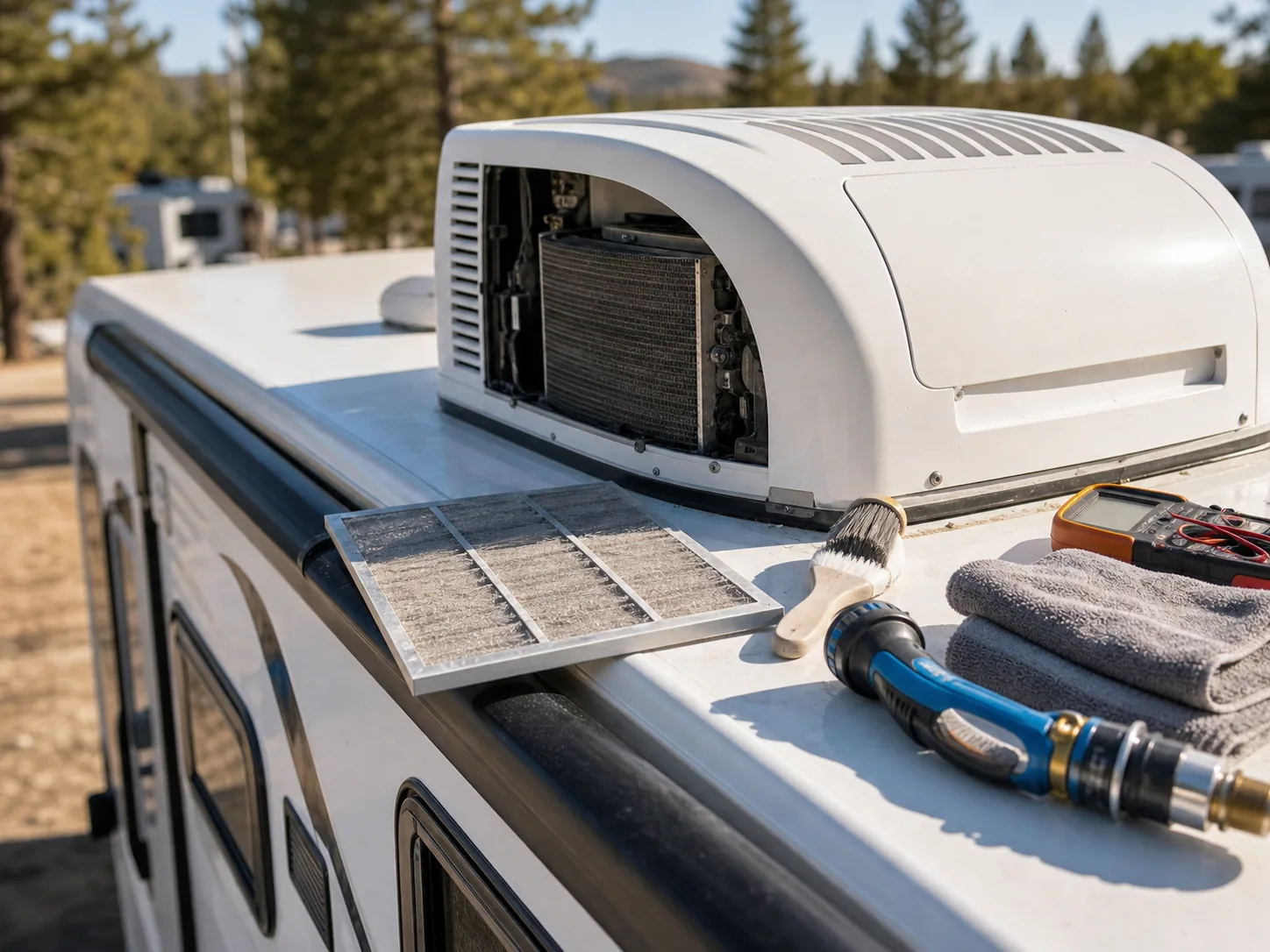
RV climate control is a comfort system; it's also a planning system. The same coach who feels great on a warm spring weekend may not do well in desert heat, humid weather in the Gulf or a chilly shoulder season evening. Air conditioner, heat pump, furnace, vent, insulation, window coverings, ducting and moisture control all play a role. As well does the size of the RV and just how much power is available.
Rule #1 is realistic expectation. A rooftop RV air conditioner is not a home heating and cooling unit. A propane furnace will heat a coach well, but requires battery power for the blower and propane for heat. A heat pump can be of good use when the weather is moderate but cannot replace a furnace when weather is very cold. Comfort is not just about one appliance, it's about the whole system.
RoadReviewer Take
There are three primary sources for HVAC complaints: dirty airflow, unrealistic load and weak maintenance. Before any RV buyer goes out and purchases a new RV air conditioner, they should try cleaning filters, clearing coils, ensuring good seals, tinting windows, checking ducts and making sure of a good power supply.
Airflow is the first maintenance item.The first maintenance item is airflow.
Start with filters. A dirty return filter decreases airflow, decreases cooling and can cause the unit to work harder. Clean and/or replace filters according to manufacturer's guidelines and more frequently when camping in dusty campgrounds, when traveling with pets or when there is wildfire smoke. Make sure return grilles and interior vents are not blocked.
There must be some air movement through the ceiling ductwork for ducted systems. Cold air can be lost up to the roof cavity through collapsed duct, loose dividers, gaps or poorly sealed plenums. Non-ducted systems are simpler, but do require clean filters and unclogged discharge.
Rooftop A/C care
Rooftop units occupy a tough neighborhood. They accumulate sun, vibration, bugs, leaves, dust and grime from the road. The condenser coil must dissipate heat. When dirty or clogged, cooling is impaired. Cleaning should be performed with power off and with caution around fins, wiring and rooftop sealant.
Another part that is often forgotten is the roof gasket. If the gasket compresses or the mounting bolts do not compress the gasket properly, water may seep in around the A/C opening. Never just tighten bolts without first consulting the instructions for installing the unit. Excess compression can cause an issue in itself.
While heat pumps require no fuel, furnaces need fuel to operate.Heat pumps do not use fuel, but furnaces do.
There are numerous models of RV air conditioners that are heat pump capable. That can come in handy in cold conditions, when shore power is on hand. However, heat pump efficiency decreases during colder weather, and many RVs still use propane or diesel heat for extremely cold weather. Another common use for the furnace is to heat plumbing areas by circulating hot air through the underbelly or wet bay. When the furnace is switched for electric heaters, it can cause plumbing to be colder than anticipated.
Furnace maintenance involves monitoring intake and exhaust areas, listening for ignition habits, preventing return airflow blockages and repairing furnace lockouts, propane odor or soot accumulation promptly.
Moisture plays a role when it comes to climate control.Climate control includes moisture.
Temperature is not the only measure of comfort. Warm moist air can cause condensation on windows, walls, mattress platforms and cabinets. Cooking, showering, breathing, damp clothes and inadequate ventilation all increase the moisture. Utilize roof vents, range venting, bathroom fans and dehumidification, where required.
Owners sometimes "seal" the house tight to retain heat in the winter, and then run into a condensation problem. In hot humid conditions they can make the RV cool even if they feel sticky as the A/C is short cycling or not pulling sufficient moisture from the air.
Power planning
One of the largest loads on an RV is the air conditioning. Even 30 amps may not be able to power all high-load appliances simultaneously. A 50 amp coach will have a larger space but still has its limitations. Generators should be rated for Startup Surge and Total Load. Some modern systems can use battery for A/C; takes a lot of battery capacity, inverter PV output, battery charging strategy.
Some air conditioners can be started on small generators and/or limited shore power via soft-start devices, but they will not bring the air conditioner down to a zero running load. Users must still deal with power responsibly.
Seasonal checks
Prior to hot weather, clean filters, check rooftop unit, test cooling on shore power, check thermostat and check for proper condensate drainage. Test the furnace, check venting, make sure propane supply is good, check batteries and know what heat source will prevent plumbing freezing before cold weather.
Stop guessing and start diagnosing if the system blows weak air, trips breakers, smells burnt, drips water in, freezes coils, or short cycles. Qualified technicians only do refrigerant work, sealed-system repairs.
Comfort habits
Shade helps. Reflective window coverings are helpful. Parking orientation helps. Cooking outside helps. Beginning the A/C before the coach is “heat soaked” is helpful. Skirting, rugs, insulated vent pillows, and controlled ventilation can help to make it more comfortable in cold weather. Habits lessen the load and maintenance makes it work.